



Discover the 7 stages of artificial intelligence from rule-based systems to the theoretical Singularity. Learn where we stand today and how businesses can leverage current AI capabilities for real results.

Discover the real difference between AI vs algorithm with our expert guide. Learn when to use each for your business needs, how they work, and practical examples from automation to ChatGPT.
The evolution of artificial intelligence has given rise to a revolutionary approach to business process optimization: AI agentic workflow. Unlike traditional automation systems that follow rigid, predefined rules, agentic systems leverage advanced AI technology to create autonomous, adaptive workflows that can perceive, reason, learn, and make decisions independently. This paradigm shift in workflow automation is transforming how organizations operate, enabling unprecedented levels of efficiency, innovation, and competitive advantage.
AI agentic workflow represents a sophisticated evolution in business process automation, characterized by intelligent systems that can operate with minimal human intervention. These workflows harness the power of artificial intelligence to create dynamic, responsive processes that adapt to changing conditions in real-time.
At its core, an AI agentic workflow is an intelligent automation system where specialized AI agents make independent decisions and adapt to new information as they execute business processes. According to AI21 Labs, the key components of these systems include AI agents powered by large language models (LLMs), data-gathering tools, integration points with existing systems, and feedback mechanisms that enable continuous learning and improvement.
These components work together to create workflows that can:
The contrast between traditional automation and AI agentic workflow is significant. As Crossfuze explains, traditional automation follows structured, linear paths with predetermined rules and limited decision-making capabilities. These systems excel at repetitive, well-defined tasks but struggle when confronted with exceptions or novel situations.
Agentic systems, conversely, are dynamic and autonomous. They can navigate ambiguity, adapt to new circumstances, and make complex decisions based on multiple inputs. This cognitive computing approach enables organizations to automate processes that were previously too nuanced or variable for conventional automation tools.
The journey from basic workflow automation to AI agentic systems reflects the broader evolution of artificial intelligence in business. Early workflow management systems focused on digitizing paper-based processes, followed by robotic process automation (RPA) that could mimic human interactions with digital systems. Today’s cognitive computing solutions represent the next frontier, integrating machine learning, natural language processing, and autonomous systems to create truly intelligent workflows.
This evolution has expanded the scope of what can be automated, moving beyond simple task automation to complex workflow orchestration that can handle exception management, decision-making, and continuous optimization without human oversight.
The power of AI agentic workflow stems from its sophisticated technical architecture, built on several key components that enable autonomous operation and intelligent decision-making.
AI Algorithms and Machine Learning Models form the cognitive engine of agentic systems. These computational frameworks process information, identify patterns, and make predictions that guide workflow decisions. Deep learning models, in particular, excel at handling unstructured data and complex decision scenarios that would overwhelm traditional rule-based systems.
Natural Language Processing (NLP) enables human-agent interaction by allowing AI systems to understand and generate human language. This capability is essential for agentic workflows that need to communicate with users, extract information from documents, or interpret requests. As Atlassian notes, NLP bridges the gap between human intent and machine execution, making workflows more accessible and responsive.
Workflow Orchestration Frameworks coordinate the various components of agentic systems, managing the sequence of activities, handling dependencies, and ensuring proper data flow between tasks. These frameworks provide the structure within which autonomous agents operate, balancing flexibility with control.
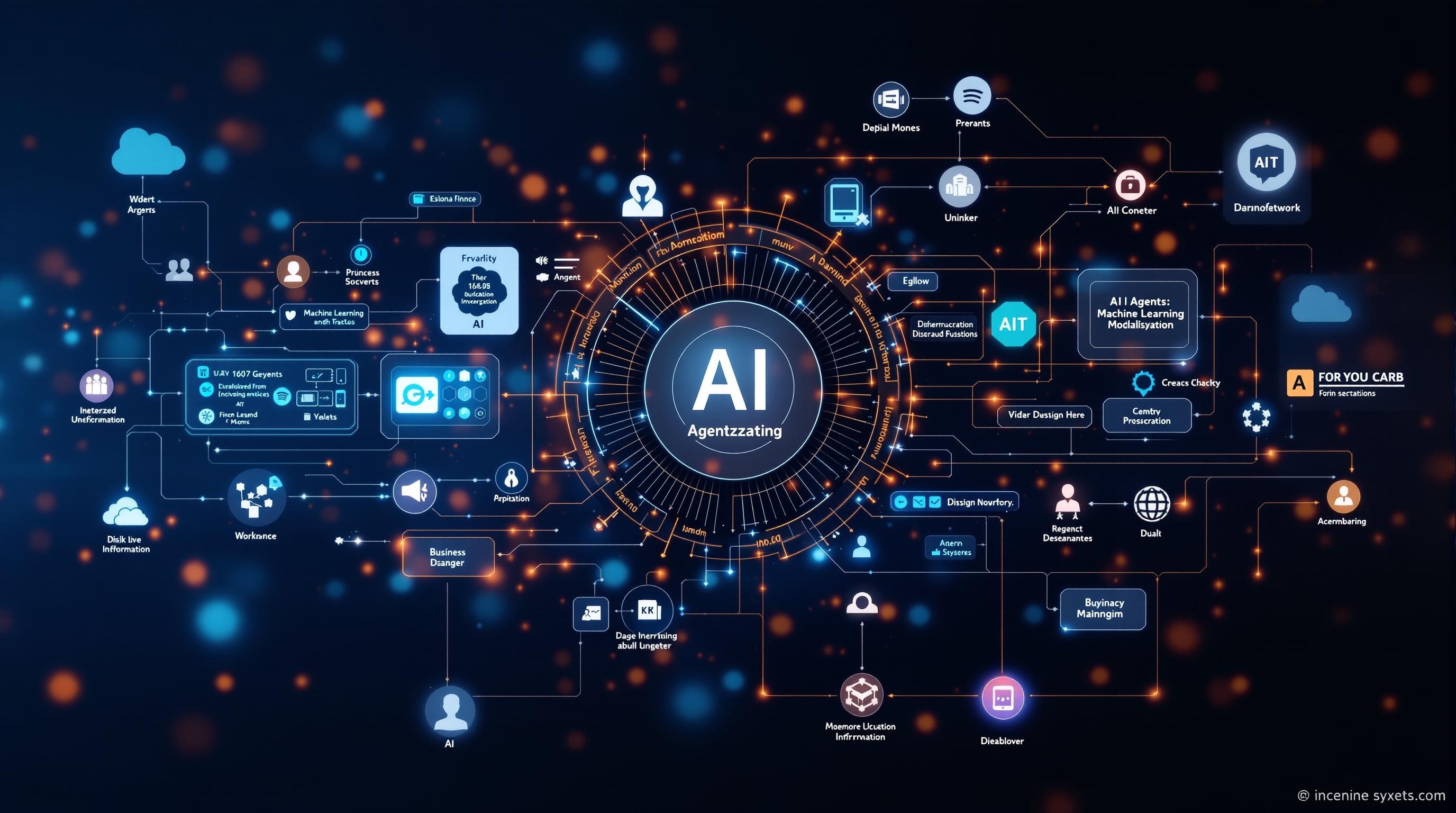
For AI agentic workflows to deliver value, they must seamlessly integrate with an organization’s existing technology ecosystem. This integration presents both challenges and opportunities:
Data Integration Requirements are paramount for agentic systems. AI workflows need access to high-quality, relevant data from across the organization to make informed decisions. According to Vonage, successful implementations require robust data pipelines that can connect to various sources, transform information into usable formats, and ensure data quality and consistency.
API Ecosystems facilitate interoperability between workflow software and other business systems. Well-designed APIs allow agentic workflows to interact with everything from legacy databases to cloud services, creating a cohesive operational environment. This connectivity is essential for workflows that span multiple departments or functions.
Workflow Design Principles for agentic systems differ from traditional approaches. They must accommodate uncertainty, provide mechanisms for exception handling, and support continuous learning. Effective designs balance autonomy with appropriate guardrails, ensuring that AI agents have enough freedom to deliver value while remaining aligned with business objectives and constraints.
The transformative potential of AI agentic workflow is realized when organizations strategically apply these technologies to their most valuable business processes. Identifying the right opportunities requires a systematic approach:
An effective assessment framework for process automation readiness evaluates factors such as process complexity, data availability, decision-making requirements, and potential business impact. Processes with high volume, moderate complexity, and clear objectives often yield the greatest returns on intelligent automation investments.
Organizations should develop a prioritization matrix for workflow optimization initiatives that considers both the feasibility of implementation and the expected benefits. This structured approach helps businesses focus their resources on the most promising opportunities while building momentum for broader adoption.
Calculating ROI for intelligent automation projects requires consideration of both direct benefits (cost savings, productivity improvements) and indirect advantages (improved customer experience, reduced errors, faster innovation). According to Miquido, successful organizations develop comprehensive ROI methodologies that capture the full spectrum of value created by AI-driven workflows.
Successfully implementing AI agentic workflows requires a structured approach that addresses both technical requirements and organizational considerations. The following roadmap provides a framework for organizations embarking on this transformation journey.
Stakeholder alignment is critical for successful implementation. Organizations must identify and engage key stakeholders from across the business, including executive sponsors, process owners, IT leaders, and end-users. Creating a shared understanding of objectives, timeline, and expected outcomes helps build support and overcome resistance.
Data preparation lays the foundation for effective AI workflows. This includes assessing data quality, addressing gaps, establishing governance protocols, and creating the necessary infrastructure for data access and integration. As highlighted by Weaviate, high-quality, accessible data is the lifeblood of agentic systems.
Establishing clear KPIs and success metrics provides a framework for evaluating workflow efficiency and effectiveness. These metrics should align with business objectives and include both process-level indicators (cycle time, error rates) and business outcomes (customer satisfaction, revenue impact).
A well-designed pilot program provides an opportunity to test AI agentic workflows in a controlled environment before broader deployment. Effective pilots focus on a specific process or department, have clearly defined success criteria, and include mechanisms for collecting feedback and measuring results.
Most organizations benefit from a phased implementation approach that gradually expands the scope and complexity of AI-driven workflow systems. This incremental strategy allows for learning and adjustment, building capabilities and confidence over time rather than attempting a high-risk “big bang” deployment.
Change management is often the determining factor in successful AI workflow implementations. Organizations must address workforce concerns, provide appropriate training, and create incentives for adoption. Emphasizing how AI augments rather than replaces human workers helps build acceptance and enthusiasm.
Implementing AI agentic workflows inevitably presents technical challenges that organizations must navigate:
Data quality and integration issues frequently emerge as primary obstacles. Many organizations struggle with fragmented data sources, inconsistent formats, and poor data governance. Successful implementations address these challenges through comprehensive data preparation strategies, including data cleansing, normalization, and the implementation of robust integration frameworks.
AI training requirements for specific workflow contexts can be substantial. Generic AI models rarely deliver optimal results without customization for particular business domains and processes. Organizations must plan for the time and expertise needed to train and fine-tune models using relevant data and feedback mechanisms.
Security and compliance in automated decision-making requires careful attention, especially in regulated industries. Implementing appropriate controls, ensuring transparency in AI decisions, and maintaining audit trails are essential practices for addressing these concerns.
Beyond technical challenges, the human dimension of AI workflow implementation often proves equally significant:
Workforce transition strategies should address both the practical and emotional aspects of change. This includes developing upskilling programs that prepare employees to work alongside AI systems, creating new roles that leverage unique human capabilities, and establishing clear communication about how jobs will evolve.
Building trust in AI-driven workflows requires transparency, reliability, and demonstrated value. Organizations can foster trust by involving users in the design process, providing visibility into how AI makes decisions, and ensuring that systems consistently deliver positive outcomes.
Maintaining human oversight of autonomous systems remains essential, even as AI capabilities advance. Effective implementations establish appropriate governance mechanisms, clearly define areas where human judgment is required, and create escalation paths for exceptional situations.
Comprehensive process efficiency metrics provide insight into the operational impact of AI workflows. These typically include measures of time (cycle time, processing speed), cost (labor hours, resource utilization), and quality (error rates, exception handling). Tracking these metrics before and after implementation helps quantify the direct benefits of intelligent automation.
Business impact measurements connect workflow improvements to strategic outcomes. Customer satisfaction scores, revenue growth, market share, and innovation metrics help demonstrate how operational enhancements translate into competitive advantage. These broader indicators often reveal value that process-level metrics might miss.
Employee productivity and satisfaction metrics capture how AI workflows affect the workforce. Measures such as output per employee, time spent on value-added activities, and employee engagement scores help organizations understand whether agentic systems are truly augmenting human capabilities as intended.
Continuous learning protocols enable AI workflow systems to improve over time. These include mechanisms for capturing feedback, monitoring performance, and updating models based on new data and changing conditions. As Sendbird explains, the most effective agentic workflows continuously refine their understanding and approaches based on operational experience.
A/B testing methodologies allow organizations to systematically evaluate workflow enhancements. By comparing alternative approaches under controlled conditions, teams can make evidence-based decisions about which improvements to implement broadly. This experimental mindset accelerates innovation while managing risk.
Advanced analytics help identify workflow bottlenecks and optimization opportunities that might not be apparent through basic monitoring. Techniques such as process mining, predictive analytics, and simulation modeling provide deeper insights into workflow dynamics and potential improvements.
The field of AI agentic workflow continues to evolve rapidly, with emerging technologies and approaches promising even greater capabilities and value. Forward-thinking organizations should monitor these developments and position themselves to capitalize on new opportunities.
Predictive analytics integration is enabling anticipatory workflows that can forecast events, identify potential issues, and take proactive actions before problems occur. These capabilities are particularly valuable in areas such as maintenance, resource planning, and risk management.
Deep learning applications for complex pattern recognition are expanding the range of tasks that can be effectively automated. Advanced neural networks can now handle unstructured data such as images, audio, and natural language with remarkable accuracy, opening new frontiers for intelligent automation.
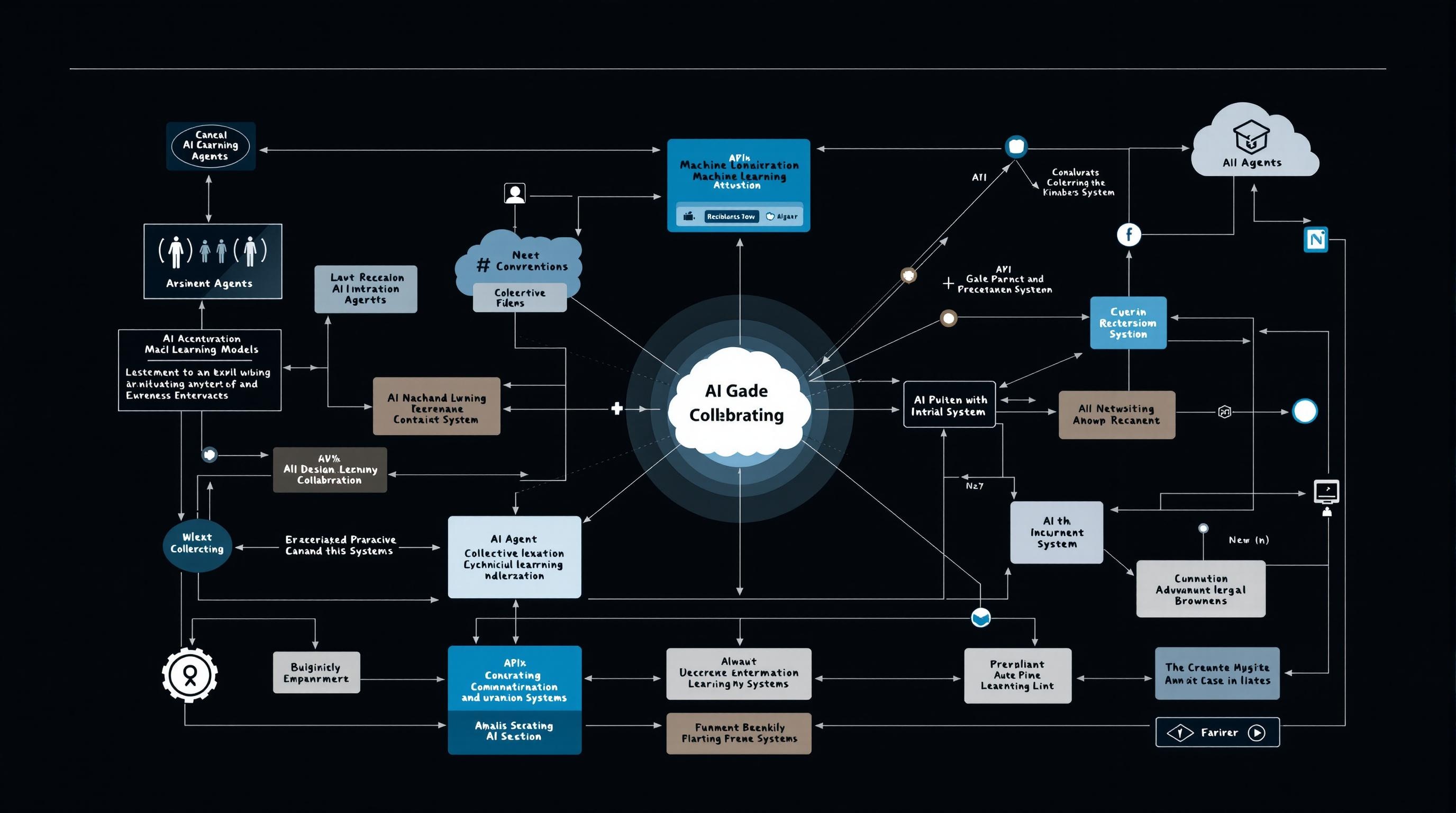
Multi-agent systems represent the next frontier in workflow orchestration. These approaches involve multiple specialized AI agents collaborating to solve complex problems, mimicking the way human teams leverage diverse expertise. Such systems can handle more sophisticated processes and adapt more effectively to changing conditions.
To capitalize on these emerging trends, organizations should focus on building adaptable AI infrastructure that can accommodate new technologies and capabilities as they mature. This includes investing in flexible architecture, establishing data standards, and developing modular approaches to workflow design.
Creating centers of excellence for workflow technology provides a mechanism for consolidating expertise, sharing best practices, and driving continuous innovation. These specialized teams can stay abreast of emerging trends, evaluate new technologies, and guide the organization’s overall intelligent automation strategy.
Developing a long-term roadmap for intelligent automation maturity helps organizations navigate the complex landscape of AI workflow technologies and capabilities. Such roadmaps typically outline a progression from basic automation to increasingly sophisticated agentic systems, with clear milestones and investment priorities.
AI agentic workflow represents a transformative approach to business process optimization, combining the power of artificial intelligence with sophisticated workflow orchestration to create autonomous, adaptive systems. By implementing these intelligent automation solutions, organizations can achieve unprecedented levels of efficiency, agility, and innovation.
The journey to successful implementation requires careful planning, technical expertise, and organizational change management. Organizations must identify high-value opportunities, build appropriate technical foundations, address implementation challenges, and establish mechanisms for continuous improvement.
As AI technology continues to advance, the capabilities and applications of agentic workflows will expand, creating new opportunities for business transformation. Organizations that successfully navigate this evolution will gain significant competitive advantages in terms of operational excellence, customer experience, and market agility.
For businesses looking to explore AI agentic workflow solutions, Jasify’s AI marketplace offers a comprehensive selection of cutting-edge tools and services designed to accelerate implementation and maximize results. With the right approach and technology partners, the promise of intelligent automation is within reach for organizations of all sizes and industries.


Discover the 7 stages of artificial intelligence from rule-based systems to the theoretical Singularity. Learn where we stand today and how businesses can leverage current AI capabilities for real results.
Discover the real difference between AI vs algorithm with our expert guide. Learn when to use each for your business needs, how they work, and practical examples from automation to ChatGPT.
Discover the 7 stages of artificial intelligence from rule-based systems to the theoretical Singularity. Learn where we stand today and how businesses can leverage current AI capabilities for real results.
Discover the real difference between AI vs algorithm with our expert guide. Learn when to use each for your business needs, how they work, and practical examples from automation to ChatGPT.
Discover the 7 stages of artificial intelligence from rule-based systems to the theoretical Singularity. Learn where we stand today and how businesses can leverage current AI capabilities for real results.
Discover the real difference between AI vs algorithm with our expert guide. Learn when to use each for your business needs, how they work, and practical examples from automation to ChatGPT.
Discover the 7 stages of artificial intelligence from rule-based systems to the theoretical Singularity. Learn where we stand today and how businesses can leverage current AI capabilities for real results.
Discover the real difference between AI vs algorithm with our expert guide. Learn when to use each for your business needs, how they work, and practical examples from automation to ChatGPT.
Discover the 7 stages of artificial intelligence from rule-based systems to the theoretical Singularity. Learn where we stand today and how businesses can leverage current AI capabilities for real results.
Discover the real difference between AI vs algorithm with our expert guide. Learn when to use each for your business needs, how they work, and practical examples from automation to ChatGPT.