AI SEO: 7 Powerful Strategies to Dominate Search Rankings and Boost Online Visibility
The landscape of search engine optimization is rapidly evolving with artificial intelligence at its core. As search engines become increasingly sophisticated, AI SEO has emerged as the definitive approach for businesses seeking to enhance their online visibility and dominate search rankings. By leveraging AI-powered tools and techniques, content creators and digital marketers can gain valuable insights and implement effective SEO strategies that deliver measurable results.
In this comprehensive guide, we’ll explore seven powerful AI SEO strategies that can transform your search performance and provide your business with a competitive edge in today’s digital ecosystem.
Understanding AI-Powered SEO Fundamentals
AI SEO integrates artificial intelligence into search engine optimization, leveraging advanced algorithms and data analysis to enhance search rankings and online visibility. This approach automates and optimizes SEO tasks, such as keyword research and content optimization, enabling businesses to adapt quickly to evolving search engine algorithms.
Definition of AI SEO and its Transformative Potential
AI SEO represents the convergence of artificial intelligence technologies with traditional search optimization techniques. It utilizes machine learning, natural language processing, and predictive analytics to create more effective SEO strategies. The transformative potential of AI SEO lies in its ability to process vast amounts of data, identify patterns, and make predictions that would be impossible for human analysts to accomplish manually.
For content creators and SEO teams, AI-powered tools offer unprecedented capabilities to analyze search trends, understand user intent, and optimize content at scale.
Key Differences Between Traditional and AI-Driven SEO Strategies
Traditional SEO strategies rely heavily on manual processes, including keyword research, content creation, and link building. These approaches often depend on human intuition and historical data, making them less adaptable to rapid changes in search algorithms.
In contrast, AI-driven SEO strategies employ:
- Real-time data analysis and pattern recognition
- Predictive modeling for search trends
- Automated content optimization based on performance metrics
- Continuous learning and adaptation to algorithm changes
These AI-powered search engines and optimization techniques enable businesses to stay ahead of the competition by quickly responding to changes in search behavior and algorithm updates.
Importance of AI in Modern Search Optimization
The integration of AI into SEO strategy has become essential for several reasons:
- Search engines themselves use AI to rank content and determine relevance
- User behavior and search patterns are increasingly complex
- Content creation at scale requires automated optimization
- Competition for visibility in search results continues to intensify
For businesses seeking to improve their online presence, AI SEO provides the tools and insights necessary to develop content that resonates with both users and search algorithms.
Leveraging AI Content Creation Tools
AI-powered content creation tools have revolutionized how businesses produce high-quality, SEO-optimized content. These platforms enable the content creation process to be more efficient, data-driven, and aligned with search engine requirements.
Overview of Top AI Content Generation Platforms
Several AI-powered tools have emerged as leaders in the content creation space:
- ContentShake AI: Specializes in generating SEO-friendly content that targets specific keywords and topics
- Search Atlas: Provides comprehensive content creation and optimization capabilities with built-in SEO analysis
- AI writing assistants that help content writers produce more effective, search-optimized text
These next-gen content tools analyze top-performing content in your industry and help create material that has a higher probability of ranking well in search results.
How AI Tools Analyze and Optimize Content for Search Rankings
AI-powered SEO tools analyze content through multiple dimensions:
- Semantic relevance to target keywords and topics
- Readability and engagement metrics
- Content structure and formatting
- Topic comprehensiveness compared to high-ranking sources
These tools can identify content gaps, suggest improvements, and help ensure that your content meets the standards set by AI-powered search engines like Google.
Strategies for Creating High-Quality, Relevant Content at Scale
To create excellent content at scale using AI tools:
- Develop a systematic content strategy based on keyword and topic research
- Use AI to generate content outlines and first drafts
- Enhance AI-generated content with human expertise and industry knowledge
- Implement a consistent review process to ensure quality
- Optimize based on performance data and user feedback
By combining AI efficiency with human creativity, businesses can produce high-quality, relevant content that drives search rankings while managing content risks associated with purely AI-generated outputs.
Advanced Keyword Research with AI Technologies
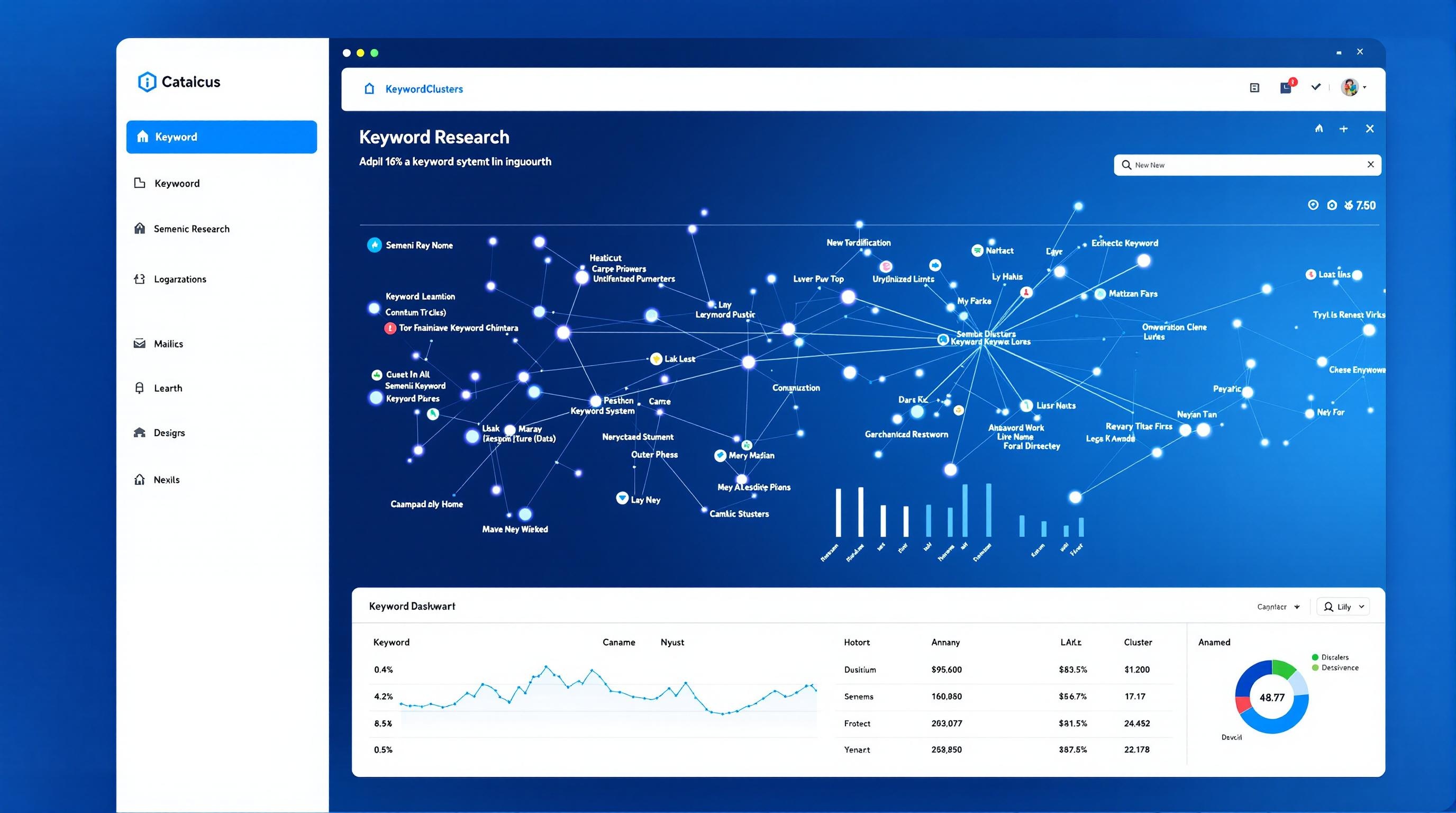
AI has transformed keyword research from a manual, time-consuming process into a sophisticated, data-driven approach that uncovers valuable insights about user intent and search behavior.
AI-Powered Keyword Research Methodologies
Modern AI keyword research goes beyond traditional methods by:
- Analyzing search patterns across multiple languages and regions
- Identifying semantic relationships between search terms
- Predicting keyword performance based on historical data
- Suggesting related topics and questions users are asking
These advanced methodologies help content creators discover relevant keywords that might otherwise remain hidden, providing a more comprehensive keyword strategy.
Identifying High-Value, Low-Competition Keywords
AI tools excel at discovering keyword opportunities by evaluating:
- Search volume and trends over time
- Keyword difficulty scores based on competing content
- Commercial intent and conversion potential
- Seasonal patterns and emerging topics
By starting with a seed keyword related to your industry, AI can generate a list of keywords that offer the best balance of traffic potential and ranking difficulty.
Using Natural Language Processing for Semantic Keyword Insights
Natural language processing capabilities enable AI to understand the context and intent behind search queries. This technology helps:
- Group keywords by user intent (informational, navigational, transactional)
- Identify synonyms and related concepts
- Analyze how language models interpret search queries
- Match content to the actual questions users are asking
These semantic insights allow businesses to create content that comprehensively addresses user needs, improving both search rankings and user experience.
Technical SEO Optimization Using AI
Beyond content creation, AI provides powerful capabilities for technical SEO optimization, helping businesses identify and resolve issues that might impact their search engine rankings.
AI Algorithms for Technical Website Optimization
AI-powered technical optimization focuses on:
- Site architecture and crawlability
- Page speed and performance metrics
- Mobile responsiveness and user experience factors
- Schema markup and structured data opportunities
By analyzing technical aspects of your website, AI tools can identify issues that human SEO teams might miss, providing actionable insights for improvement.
Improving Site Structure and Internal Linking
Internal links are crucial for establishing topical authority and helping search engines understand your content. AI can:
- Analyze existing internal links to identify patterns and gaps
- Suggest optimal internal linking structures based on topic clusters
- Identify orphaned content that needs better integration
- Prioritize link opportunities based on SEO impact
These capabilities help create a more cohesive site structure that both users and search engine algorithms can navigate efficiently.
Identifying and Resolving Technical SEO Issues
AI-powered SEO tools can continuously monitor your website for technical issues such as:
- Broken links and 404 errors
- Duplicate content problems
- Missing or ineffective meta tags
- Site speed bottlenecks
- Mobile usability issues
By automatically flagging these issues and suggesting fixes, AI takes on much of the heavy lifting in technical SEO, allowing your team to focus on strategy and content development.
AI-Enhanced Competitive Analysis
Understanding your competition is essential for developing effective SEO strategies. AI provides unprecedented capabilities for analyzing competitor content and identifying opportunities for improvement.
Using AI to Analyze Competitor SEO Strategies
AI-powered competitive analysis tools can:
- Identify competitors’ top-performing content
- Analyze backlink profiles and link building strategies
- Track keyword rankings across competitors
- Evaluate content quality and topical coverage
These insights help businesses understand what’s working in their industry and adapt their own strategies accordingly.
Identifying Content Gaps and Opportunities
Content gaps represent topics or questions that users are searching for but aren’t adequately addressed by existing content. AI can:
- Compare your content against competitors to find coverage gaps
- Identify questions related to your topics that remain unanswered
- Suggest content ideas based on competitive analysis
- Prioritize opportunities based on search volume and competition
By filling these gaps with high-quality content, businesses can capture search traffic that competitors are missing.
Benchmarking Against Industry Leaders
AI tools enable precise benchmarking by analyzing:
- Content depth and comprehensiveness
- Keyword coverage and optimization levels
- Backlink quality and quantity
- Technical SEO performance metrics
These benchmarks provide valuable insights into how your SEO performance compares to industry leaders, helping to set realistic goals and identify areas for improvement.
Content Strategy and Topic Clustering
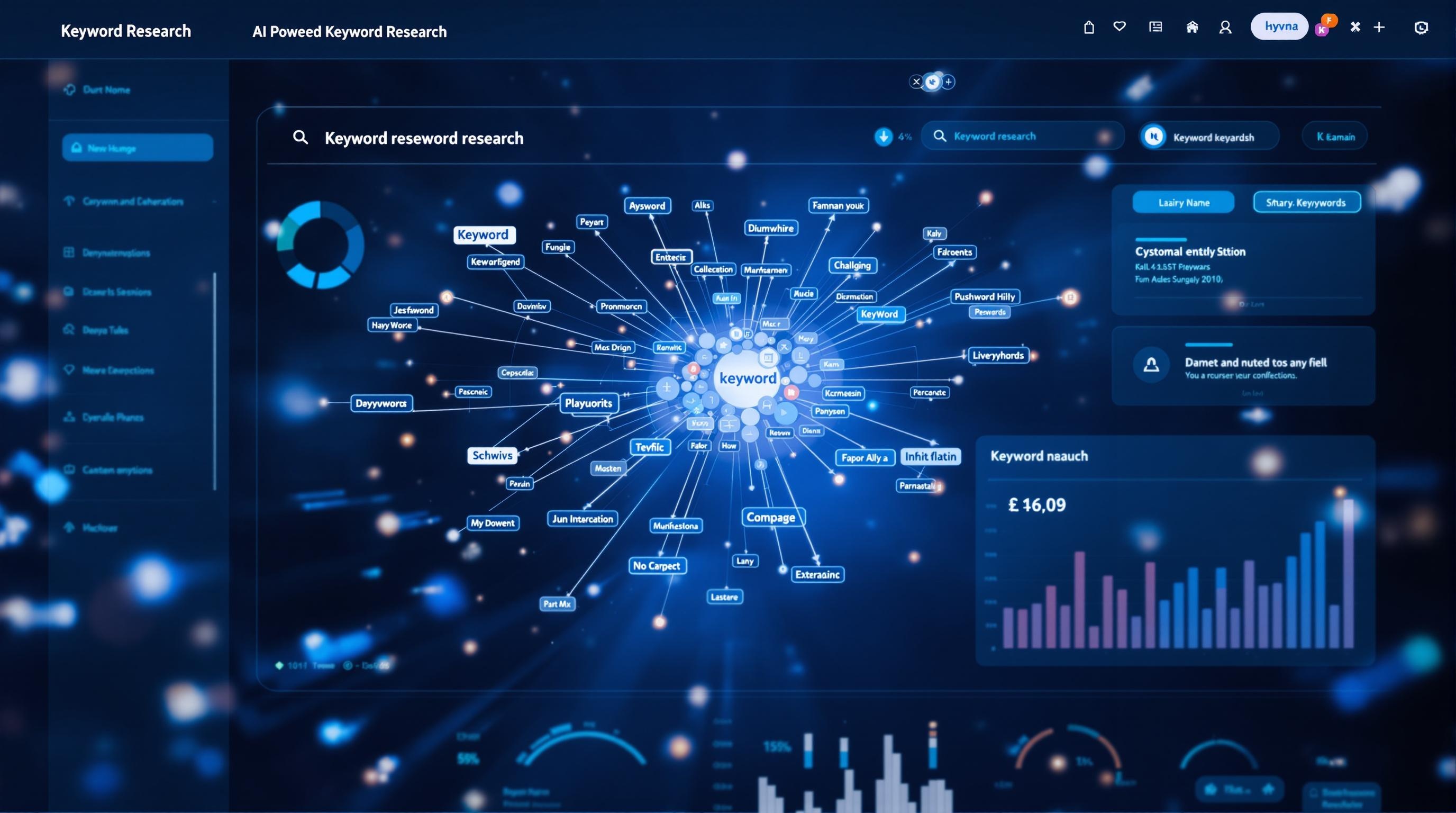
AI has revolutionized how businesses develop content strategies, particularly through the concept of topic clustering—a powerful approach for building topical authority and improving search rankings.
AI-Driven Content Strategy Development
An effective content strategy leverages AI to:
- Identify core topics relevant to your business and audience
- Analyze search trends to prioritize content creation
- Develop content calendars based on data-driven insights
- Balance content types to address different user needs and intents
This approach ensures that your content creation efforts align with both user interests and search engine requirements.
Creating Comprehensive Topic Clusters
Topic clusters organize content around central themes, with a pillar page providing broad coverage and cluster content addressing specific aspects in detail. AI helps:
- Identify appropriate pillar topics based on search volume and relevance
- Generate comprehensive lists of related subtopics
- Structure clusters in ways that maximize internal linking opportunities
- Track cluster performance to guide ongoing optimization
By implementing topic clusters, businesses can demonstrate topical authority to search engines while providing users with comprehensive information.
Mapping Content to User Intent and Search Trends
AI excels at analyzing user intent behind searches, enabling businesses to:
- Create content that precisely matches what users are looking for
- Adapt content strategy as search trends evolve
- Align content formats with user preferences (video, long-form articles, etc.)
- Optimize for emerging search technologies like voice search responses
This user-centric approach improves both search rankings and engagement metrics like time on page and bounce rate.
Measuring and Improving SEO Performance
The final component of a successful AI SEO strategy is continuous measurement and optimization based on performance data.
AI-Powered Performance Tracking Metrics
AI tools provide comprehensive performance tracking through:
- Real-time ranking monitoring across multiple keywords
- Traffic analysis by source, device, and user demographics
- Engagement metrics correlated with SEO factors
- Conversion tracking and attribution modeling
These metrics go beyond traditional SEO performance indicators to provide a holistic view of how your content is performing in search.
Advanced Analytics and Actionable Insights
The true value of AI in SEO performance tracking comes from its ability to generate actionable insights such as:
- Identifying which content updates have the greatest impact on rankings
- Recognizing patterns in user behavior that affect conversion rates
- Suggesting content optimizations based on performance data
- Forecasting the potential impact of proposed SEO changes
These data-driven insights help marketing teams prioritize their efforts and focus on the most effective strategies.
Continuous Optimization Strategies
AI enables a cycle of continuous optimization through:
- Automated content audits to identify underperforming pages
- A/B testing of titles, meta descriptions, and content elements
- Regular updates to keep content fresh and relevant
- Adaptation to algorithm changes based on performance data
This ongoing optimization ensures that your SEO strategy remains effective even as search engines and user behaviors evolve.
Conclusion: The Future of AI SEO
As AI continues to transform both search engines and SEO tools, businesses that embrace AI-powered strategies will gain a significant competitive edge. The seven strategies outlined in this guide—understanding AI SEO fundamentals, leveraging content creation tools, conducting advanced keyword research, implementing technical optimization, performing competitive analysis, developing topic clusters, and measuring performance—provide a comprehensive framework for dominating search rankings.
By integrating these AI SEO strategies into your digital marketing efforts, you can improve your online visibility, attract more qualified traffic, and ultimately achieve better business results. The future of search belongs to those who can effectively harness the power of AI to create valuable, relevant content that meets both user needs and search engine requirements.
Explore Jasify AI Marketplace, your hub to find, share, and sell the best AI tools and automation resources online.