
Voice Cloning Software in 2024: Creating Realistic AI-Generated Voices for Content Creators
Understanding Voice Cloning Technology in 2024
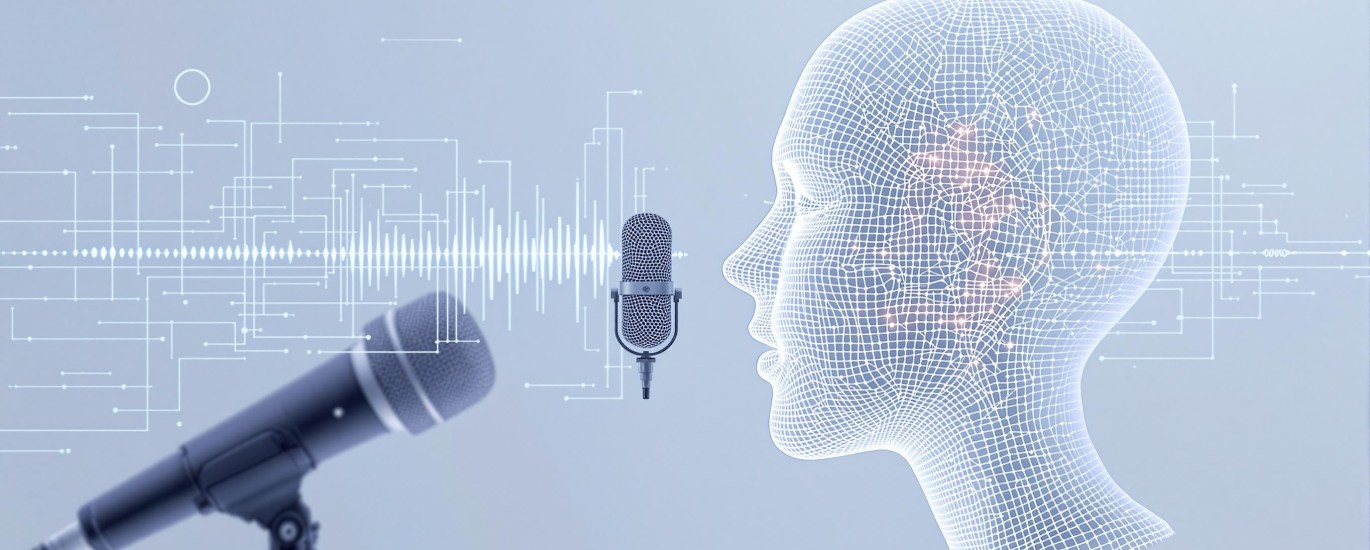
Voice cloning software has evolved dramatically in recent years, transforming from simple voice changers to sophisticated AI systems capable of creating remarkably realistic synthetic voices. At its core, voice cloning technology uses artificial intelligence and deep learning algorithms to create a digital replica of a person’s voice by analyzing their speech patterns, intonation, and unique vocal characteristics.
Unlike basic voice changers that merely alter existing recordings, modern voice cloning tools can generate entirely new speech content in the target voice after analyzing just minutes of audio from the original speaker. This technological leap has been driven by advances in neural networks and deep learning techniques that can capture the nuances of human speech with unprecedented accuracy. ElevenLabs explains that these systems use Generative Adversarial Networks (GANs) to ensure synthetic voices are nearly indistinguishable from real ones.
The voice cloning process relies on complex deep learning algorithms that break down vocal patterns into their component parts, learning the unique characteristics that make each human voice distinctive. These AI systems analyze thousands of voice parameters, from pitch and timbre to speech rhythm and emotional inflection, creating voice models that can reproduce speech with remarkable authenticity. Deepgram notes that this technology is rapidly expanding across industries such as media production, customer service, entertainment, and personal content creation.
The market for voice cloning technology continues to expand rapidly across various industries, including media production, customer service, entertainment, and personal content creation. As these tools become more accessible to the average user, content creators are discovering powerful new ways to enhance their audio and video productions with custom voices and synthetic speech.
How Voice Cloning Software Works
The voice cloning process follows a systematic approach to transform a voice sample into a functional digital replica. It begins with collecting a high-quality audio recording of the target voice. This recording serves as the foundation from which the AI will learn and eventually reproduce the voice.
Once the system has an audio sample, advanced algorithms analyze the speech patterns, breaking down the recording into phonetic components and identifying the unique characteristics of the speaker’s voice. Neural networks play a crucial role in this process, capturing subtle nuances in pronunciation, rhythm, and emotional tone that make each voice distinct. Podcastle details how neural networks are essential for capturing the nuances of human speech.
Most voice cloning tools require several minutes of audio to create an effective voice clone. While some platforms advertise the ability to generate voices from shorter samples, the quality and authenticity of the output generally improve with longer recordings. High-end voice cloning systems may analyze hours of speech to create the most realistic vocal replicas.
After analyzing the voice sample, the AI creates a voice profile or model that can synthesize new speech in the cloned voice. This model acts as a template, allowing users to input any text and have it spoken in the target voice with natural-sounding speech capabilities that closely mimic human voice intonation and delivery.
Voice Sample Requirements
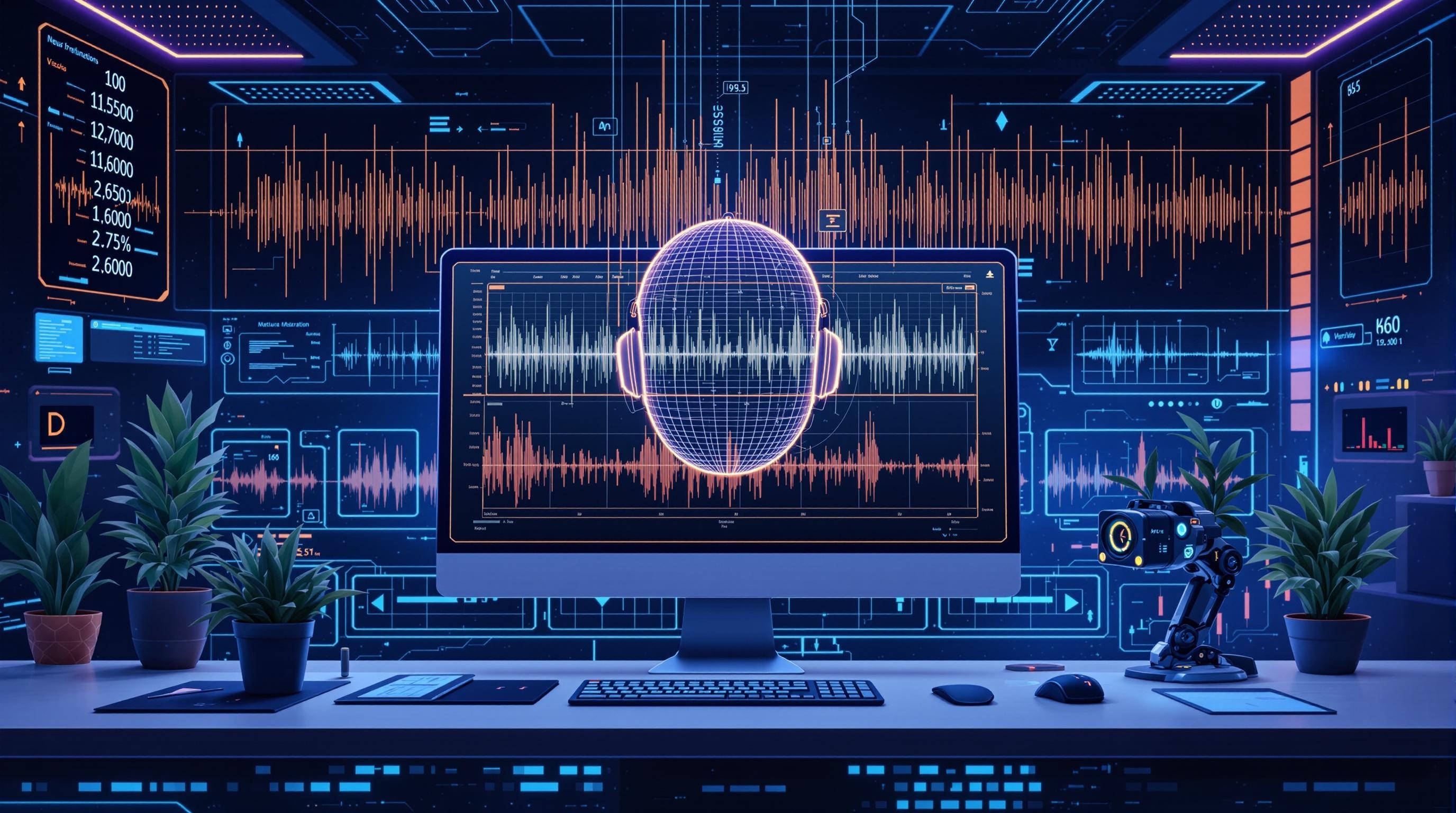
The quality of your voice sample directly impacts the realism of the resulting AI-generated voices. For optimal results, voice cloning software typically requires:
- Clear, high-quality audio recordings with minimal compression
- Low or non-existent background noise levels
- Consistent recording conditions throughout the sample
- Natural speech patterns with varied intonation and emotional range
Most professional voice cloning tools recommend recording in a quiet environment with proper audio equipment to minimize background noise and maximize clarity. Some advanced platforms include features to help clean up audio samples, such as a De-Echo feature or noise reduction capabilities, but starting with clean audio will always yield better results. Respeecher emphasizes the importance of high-quality input for optimal results.
The minimum voice sample duration varies by platform, but generally ranges from 30 seconds for basic cloning to 5-10 minutes for higher-quality results. Enterprise-grade voice cloning solutions might utilize thousands of hours of audio data to create the most natural and flexible voice models, though consumer tools have made remarkable progress in generating convincing voices from much shorter samples.
Top Voice Cloning Tools for Content Creators in 2024
The market for voice cloning tools has expanded significantly, offering content creators a range of options suited to different needs and budgets. Here are some of the leading voice cloning software options available in 2024:
Speechify Studio Voice Cloning
Speechify Studio Voice Cloning has established itself as a powerful tool for content creators looking to generate natural-sounding voiceovers. The platform offers:
- User-friendly interface with minimal learning curve
- High-quality AI voice clones that maintain natural cadence
- Integration with popular content creation platforms
- Flexible subscription options for different usage levels
Speechify’s technology excels at creating lifelike speech from relatively short audio samples, making it accessible to creators without extensive voice recording experience. Their platform includes features for controlling emotional tone and emphasis, allowing for personal touches that enhance the authenticity of the audio content.
Pixbim Voice Clone AI
Pixbim Voice Clone AI stands out for its multilingual voice generation capabilities and specialized features for media creators. Key aspects include:
- Support for multiple languages and accents
- Advanced customization of speech parameters
- Integration with video editing workflows
- Robust control over delivery and pacing
Content creators particularly appreciate Pixbim’s attention to natural voice reproduction and its ability to maintain consistent quality across longer audio outputs. The platform’s voice generation processes can handle technical terminology and complex scripts while maintaining natural-sounding speech patterns.
Other notable options in the market include ElevenLabs, which offers exceptional voice quality and emotional range, and Respeecher, which specializes in high-end voice cloning for professional media production. These voice cloning tools vary in pricing from free tiers with limited features to premium subscription models for professional content creators.
Applications of AI-Generated Voices for Content Creators
Voice cloning technology has opened up numerous creative possibilities for content creators across different media formats:
Creating Engaging Video Content
AI-generated voices have revolutionized video production workflows for many content creators. They enable:
- Professional-quality video voiceovers without hiring voice actors
- Consistent narration across multiple videos in a series
- Multilingual versions of the same content
- Quick updates or corrections without re-recording
Content creators are using voice cloning software to produce amazing videos with narration that matches their brand voice perfectly. The technology integrates with video editing platforms, allowing creators to focus on visual elements while the AI handles the audio narration.
For example, educational channels can maintain a consistent narrator voice across hundreds of videos, even if the original speaker is unavailable for new recordings. Marketing teams can rapidly produce localized versions of promotional videos by cloning a spokesperson’s voice and generating translations that maintain the original delivery style.
Podcast and Audio Content Production
Podcasters and audio content creators are finding innovative ways to leverage voice cloning:
- Creating consistent intros and outros even when recording sessions are spread out
- Generating narration for serialized audio content
- Producing audio experiences in multiple voices without multiple recordings
- Experimenting with different delivery styles for the same content
The technology allows podcast producers to maintain consistent audio quality and voice characteristics across episodes, even when recording conditions might vary. It also enables solo podcasters to create dialogue-based content by cloning their own voice and modifying it to create distinct characters.
Deepgram notes that voice cloning is particularly valuable for content creators who need to produce regular audio content on tight schedules, as it can dramatically reduce production time while maintaining high-quality speech output.
Ethical Considerations and Best Practices
While voice cloning offers exciting creative possibilities, it also raises important ethical considerations:
- Voice impersonation concerns regarding identity theft or misrepresentation
- Need for explicit authorization from individuals before cloning their voices
- Transparency with audiences about the use of AI-generated voices
- Potential for misuse in creating deepfakes or misleading content
Responsible creators should always obtain proper authorization before cloning someone’s voice for commercial or public content. Many voice cloning platforms now require users to confirm they have permission to use voice samples and may require authorization links or documentation for certain uses.
The Consumer Reports Innovation Lab recommends that content creators maintain transparency with their audiences about when and how AI voices are being used. This builds trust and helps establish ethical norms in the rapidly evolving landscape of synthetic media.
Best practices include clearly disclosing the use of AI-generated voices in content descriptions, obtaining written consent from voice subjects, and avoiding uses that could mislead audiences about who is actually speaking.
Maximizing Voice Cloning Quality
To achieve the most realistic voice reproduction, content creators should focus on several key factors:
- Starting with high-quality audio samples free from background noise
- Providing diverse speech examples that capture different emotional tones
- Using advanced tools with sophisticated speech technology
- Applying post-processing techniques to enhance the final output
While some voice cloning software requires significant technical expertise, many modern tools are designed to be user-friendly, with intuitive interfaces and guided workflows. This democratization of voice technology has made high-quality voice cloning accessible to creators without specialized audio engineering knowledge.
The voice cloning process typically produces better results when users provide longer and more varied voice samples. Even a couple of hours of clean, well-recorded speech can dramatically improve the quality and flexibility of the resulting voice model compared to the minimum requirements.
Advanced Customization Options
Modern voice cloning tools offer increasingly sophisticated options for customizing synthetic voices:
- Adjusting emotional tone from neutral to excited, serious, or empathetic
- Controlling speech rate and pausing patterns
- Adding personal touches like characteristic phrases or speech patterns
- Fine-tuning pronunciation of specific words or phrases
These customization options allow content creators to maintain creative control while benefiting from the efficiency of AI-generated voices. By balancing automation with thoughtful direction, creators can produce audio content that feels authentic and emotionally connected to their audience.
Some platforms even allow users to create custom voice models that blend characteristics from multiple samples or add specific attributes to create unique vocal identities for brands or fictional characters.
Future Trends in Voice Cloning Technology
Voice cloning technology continues to evolve rapidly, with several exciting developments on the horizon:
- Reduced requirements for voice sample length, potentially enabling quality clones from seconds rather than minutes of audio
- Real-time voice cloning that can adapt and learn during live sessions
- Improved emotional range and conversational capabilities
- Deeper integration with other content creation tools and platforms
Advanced technology in this field is increasingly focused on capturing not just the sound of a voice but its expressive qualities and conversational patterns. This includes progress in reproducing naturalistic elements like breathing, hesitations, and the subtle variations that make human speech feel organic.
We can also expect to see greater integration between voice cloning software and other AI tools for content creation, creating seamless workflows that span text generation, voice production, and visual media.
Choosing the Right Voice Cloning Software for Your Needs
When selecting voice cloning tools for your content creation workflow, consider these key factors:
- Output quality: How natural and convincing are the AI-generated voices?
- Ease of use: Does the interface match your technical comfort level?
- Integration: Will it work with your existing content creation tools?
- Cost vs. features: Does the pricing align with your usage needs and budget?
- Ethical guidelines: Does the platform enforce responsible use policies?
Content creators should evaluate their specific requirements, such as whether they need multiple voices, multilingual capabilities, or specialized features like voice isolation or background noise removal. The learning curve associated with different platforms should also factor into the decision, as some advanced tools may require more time to master.
Professional content creators should consider the return on investment, weighing the cost of subscription plans against the time saved and quality improvements offered by different voice cloning options. For many, the ability to produce consistent, high-quality audio content without scheduling recording sessions or hiring voice talent represents significant value.
Voice cloning software has transformed from a novelty to an essential tool for many content creators. As the technology continues to mature, it offers increasingly realistic and flexible options for producing engaging audio experiences across various media formats. By understanding the capabilities, limitations, and ethical considerations of these powerful tools, content creators can enhance their productions while maintaining authenticity and responsibility.
Explore Jasify AI Marketplace, your hub to find, share, and sell the best AI tools and automation resources online.
