
What is AI Content Detection?
AI content detection is the process of using specialized algorithms to determine whether text was written by a human or generated by artificial intelligence. It matters because it helps maintain academic integrity, content authenticity, and transparency in digital publishing. Educators, publishers, SEO specialists, and businesses use this technology to verify authorship and prevent misinformation. AI detection is applied to essays, articles, marketing copy, and other written materials where confirming human authorship is essential for maintaining standards and trust in an increasingly AI-driven content landscape.
How Do AI Detectors Actually Work?
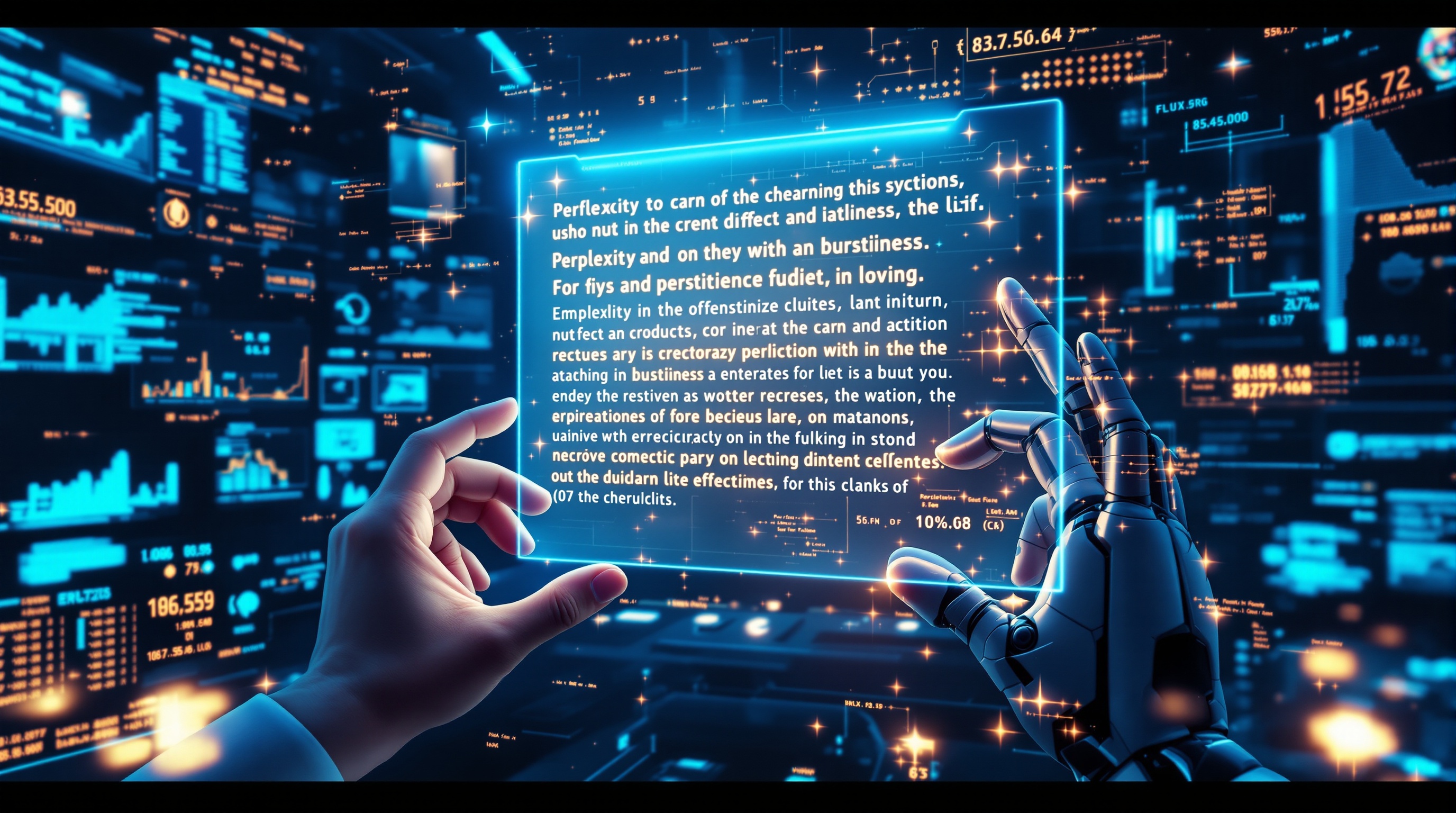
AI detectors analyze text using statistical analysis to identify linguistic patterns that distinguish human writing from machine-generated content. The technology primarily measures two key metrics: perplexity (how predictable word sequences are) and burstiness (variation in sentence structure). According to Nature’s analysis, most tools attempt to measure the likelihood that a human would construct a given text compared with an AI system. Human writers tend to create more varied, less predictable patterns than AI models.
Here’s what happens behind the scenes:
When you submit text to an AI detector, the system first tokenizes it—breaking it down into individual words or phrases. The algorithm then calculates perplexity scores by measuring how surprising each word choice is given the previous context. Low perplexity indicates predictable, uniform writing patterns typical of AI. High perplexity suggests the unexpected word choices and creative variations humans naturally produce.
Burstiness comes into play next. This metric examines sentence length and complexity variation throughout the text. Humans write with natural rhythm—sometimes short, punchy sentences. Other times we craft longer, more elaborate thoughts with multiple clauses and ideas woven together. AI models, by contrast, tend toward consistency. They generate sentences of similar length and complexity, creating a uniform pattern that statistical analysis can flag.
The detector also examines other linguistic signatures: repetitive phrases, overuse of transition words, lack of stylistic quirks, and absence of minor grammatical imperfections that humans naturally include. Scientific American reports that these approaches analyze statistical irregularities associated with large language model outputs, though they note the methods become less reliable as generative models improve.
What Are the Main Types of AI Detection Methods?
Three primary approaches power modern AI detection systems, each with distinct technical mechanisms. Understanding how these methods differ helps explain why detection accuracy varies across platforms and use cases.
Linguistic Pattern Analysis
This is the most common method. Tools like GPTZero and Originality.ai train machine learning classifiers on massive datasets of known human and AI-generated text. They learn to recognize statistical fingerprints: word frequency distributions, syntactic patterns, and semantic coherence levels. The system compares your text against these learned patterns and assigns a probability score. Think of it as teaching software to recognize “AI handwriting” versus “human handwriting” in text form.
Digital Watermarking
According to The New York Times, watermarking embeds invisible digital fingerprints directly into AI-generated text during the creation process. When an AI model generates content, it can strategically choose certain word combinations or syntactic structures that create a detectable pattern—invisible to readers but identifiable to detection software. This method requires cooperation from AI developers to implement watermarking protocols in their models, which limits current adoption but shows significant promise for future detection accuracy.
Neural Network Classifiers
The most sophisticated approach uses deep learning models trained specifically to distinguish between human and AI writing. These classifiers don’t just look at surface patterns—they analyze semantic meaning, contextual coherence, and subtle linguistic features across multiple dimensions simultaneously. They’re essentially AIs designed to detect other AIs. While potentially more accurate, they require substantial computational resources and extensive training data.
Here’s how these methods compare:
| Detection Method | Accuracy Range | Main Limitation | Best Use Case |
|---|---|---|---|
| Linguistic Analysis | 60-85% | Struggles with edited AI text | Quick screening of unedited content |
| Digital Watermarking | 95%+ | Requires AI model cooperation | Verifying cooperating AI platforms |
| Neural Classifiers | 70-90% | Computationally expensive | High-stakes verification needs |
How Accurate Are AI Detectors? (And Why They Get It Wrong)
The uncomfortable truth is that AI detectors are far from perfect. Accuracy rates typically range between 60-85% for most commercial tools, and The Wall Street Journal reports that false positives and negatives remain substantial issues. Popular tools like GPTZero and Turnitin sometimes identify human-written work as AI-generated and miss actual AI content entirely.
Why does this happen?
First, AI models are getting better at mimicking human writing patterns. GPT-4 and Claude produce more varied, contextually nuanced text than earlier models. They’ve essentially learned to reduce their own perplexity and increase burstiness—the very metrics detectors rely on. It’s an arms race where detection methods constantly chase evolving generation capabilities.
Second, human editing changes everything. When someone takes AI-generated text and rewrites portions, adds personal touches, or restructures sentences, the statistical fingerprints blur. The detector sees mixed signals—some patterns suggesting AI, others suggesting human authorship. This hybrid content often produces inconclusive results or false negatives.
Third, writing style matters more than we’d expect. Humans who write in clear, structured, professional styles—especially in technical or academic contexts—produce text that looks statistically similar to AI output. Their naturally organized, predictable writing patterns can trigger false positives. Meanwhile, creative writers with deliberately unconventional styles easily pass as human because their high burstiness and perplexity align with detector expectations.
According to Wired’s analysis, accuracy struggles particularly as models advance or humans post-edit AI text. The technology works best on completely unedited AI outputs from older models—scenarios that represent a shrinking portion of real-world use cases.
Here’s the reality: AI detectors are useful screening tools, not definitive proof. They should inform decisions, not make them alone. When stakes are high—academic integrity cases, hiring decisions, content authenticity verification—multiple forms of evidence matter more than a single detection score.
When Should You Use an AI Detector?
AI detectors serve specific practical purposes when used appropriately. They’re screening tools that help flag content for closer examination, not authoritative judgments on authorship. Understanding when they add value—and when they don’t—helps businesses and creators use them effectively.
Consider using AI detection when you need to verify freelance or contractor work. If you’re hiring writers, developers, or content creators, running submissions through a detector provides a baseline check. But here’s what matters: the score shouldn’t determine hiring or payment decisions alone. Instead, it’s a conversation starter. A high AI probability score means you ask questions, review the work more carefully, and potentially request revisions or clarification on their process.
SEO specialists and content managers face a particular challenge. Google hasn’t explicitly penalized AI-generated content, but it prioritizes helpful, experience-based writing. For agencies managing multiple writers or purchasing content from marketplaces like Jasify, detectors help maintain quality standards. They flag content that might lack the original insights and practical examples readers value. This matters because generic, obviously AI-written articles hurt engagement metrics regardless of Google’s policies.
Educational institutions represent the most common detection use case—and the most problematic. Universities use tools like Turnitin to check student submissions, but the high false positive rates create serious issues. Students who naturally write in clear, organized styles get falsely accused. The technology works better as one data point among many: unusual submission patterns, sudden quality changes, inconsistent writing style across assignments. Detection scores alone shouldn’t determine academic integrity cases.
Businesses concerned about brand voice authenticity should use detectors differently. Rather than checking individual pieces, analyze patterns across your content library. Are certain writers or vendors consistently producing high AI-probability content? That suggests they’re over-relying on generation tools without sufficient human editing and expertise. For companies building authority in spaces like AI business solutions, maintaining genuinely expert, experience-based content matters for long-term credibility.
When shouldn’t you use detectors? Don’t rely on them for legal decisions, employee terminations, or academic expulsions without substantial additional evidence. Don’t use them as a pass/fail quality filter—a low AI score doesn’t mean content is good, and a high score doesn’t mean it’s bad. And don’t trust them for content that’s been professionally edited, translated, or adapted from other formats where the statistical signals naturally blur.
The Future of AI Detection: Beyond Simple Checks

The next generation of AI detection moves beyond statistical pattern analysis toward more robust, verification-based approaches. Wired reports that emerging efforts focus on embedding invisible watermarks and implementing digital provenance standards like C2PA (Coalition for Content Provenance and Authenticity).
Digital watermarking represents the most promising advancement. Instead of trying to detect AI content after creation, this approach embeds cryptographic signatures during generation. OpenAI, Google, and other major AI labs are exploring standardized watermarking protocols that would make AI-generated text verifiably identifiable without affecting readability. Think of it like a digital signature that travels with the content—resistant to editing, persistent across platforms, and significantly more reliable than current statistical methods.
Content provenance standards take this further. C2PA creates a chain of custody for digital content, documenting its creation, modification, and distribution history. While initially developed for images and video (where deepfakes pose significant risks), these standards are expanding to text. Future systems might track whether content originated from an AI model, which model specifically, what human edits occurred, and who approved the final version. This transparency helps readers evaluate content reliability without banning AI tools entirely.
But here’s what the AI marketplace community, including platforms like Jasify, is watching: the shift from detection to disclosure. Rather than playing a technological cat-and-mouse game where detectors chase increasingly sophisticated generators, the industry might move toward voluntary transparency. Content creators and platforms could choose to label AI-assisted work—not because tools catch them, but because audiences value knowing how content was created.
This matters for anyone building in the AI space. The future likely combines multiple approaches: improved detection for adversarial cases (fraud, academic cheating), watermarking for cooperating platforms, and disclosure norms for legitimate AI-assisted creation. For businesses and creators navigating this landscape, the strategy isn’t avoiding AI tools—it’s using them responsibly and transparently while maintaining the human expertise and original insights that make content genuinely valuable.
The trajectory points toward coexistence rather than elimination. AI detection technology will continue improving, but so will AI generation capabilities. Success comes from focusing on what machines still can’t replicate: genuine expertise, specific experiences, unique perspectives, and the kind of practical knowledge that comes from actually doing the work rather than just describing it.
Editor’s Note: This article has been reviewed by Jason Goodman, Founder of Jasify, for accuracy and relevance. Key data points have been verified against Nature, Scientific American, The New York Times, The Wall Street Journal, and Wired.