

In today’s digital landscape, AI video watermark removers have revolutionized how creators and editors handle watermarked content. These powerful AI technology tools can detect and eliminate protective markers while preserving video quality. This comprehensive guide explores how AI video watermark removers work, their legal implications, and essential copyright protection considerations for content creators and users alike.
Understanding AI Video Watermark Removal Technology
AI video watermark removers are sophisticated tools powered by artificial intelligence, deep learning, and computer vision algorithms. These advanced video scrubbing technology systems automatically detect and remove watermarks, logos, text overlays, and other unwanted elements while maintaining original video quality across frames.
The evolution of video watermark remover technology has been remarkable. Early video cleaning methods required manual frame-by-frame editing, which was time-consuming and produced inconsistent results. Today’s AI-powered video filtering solutions process entire videos in minutes, automatically identifying watermark patterns regardless of complexity or position.
According to recent research on digital watermarking techniques, deep learning and computer vision algorithms form the backbone of modern watermark removal systems. These technologies enable the software to understand visual data similar to human perception, identifying patterns between watermark overlays and authentic video content beneath.
Digital watermarks in videos appear in various forms:
- Visible watermarks: Semi-transparent logos or text overlays positioned consistently throughout the video
- Animated watermarks: Moving logos or text that change position or appearance
- Invisible watermarks: Embedded data that’s not visible to viewers but can be detected by specialized video scanning software
- Forensic watermarks: Advanced identification markers designed to trace content leaks and prevent digital piracy
How AI Video Watermark Removal Works
Technical Architecture
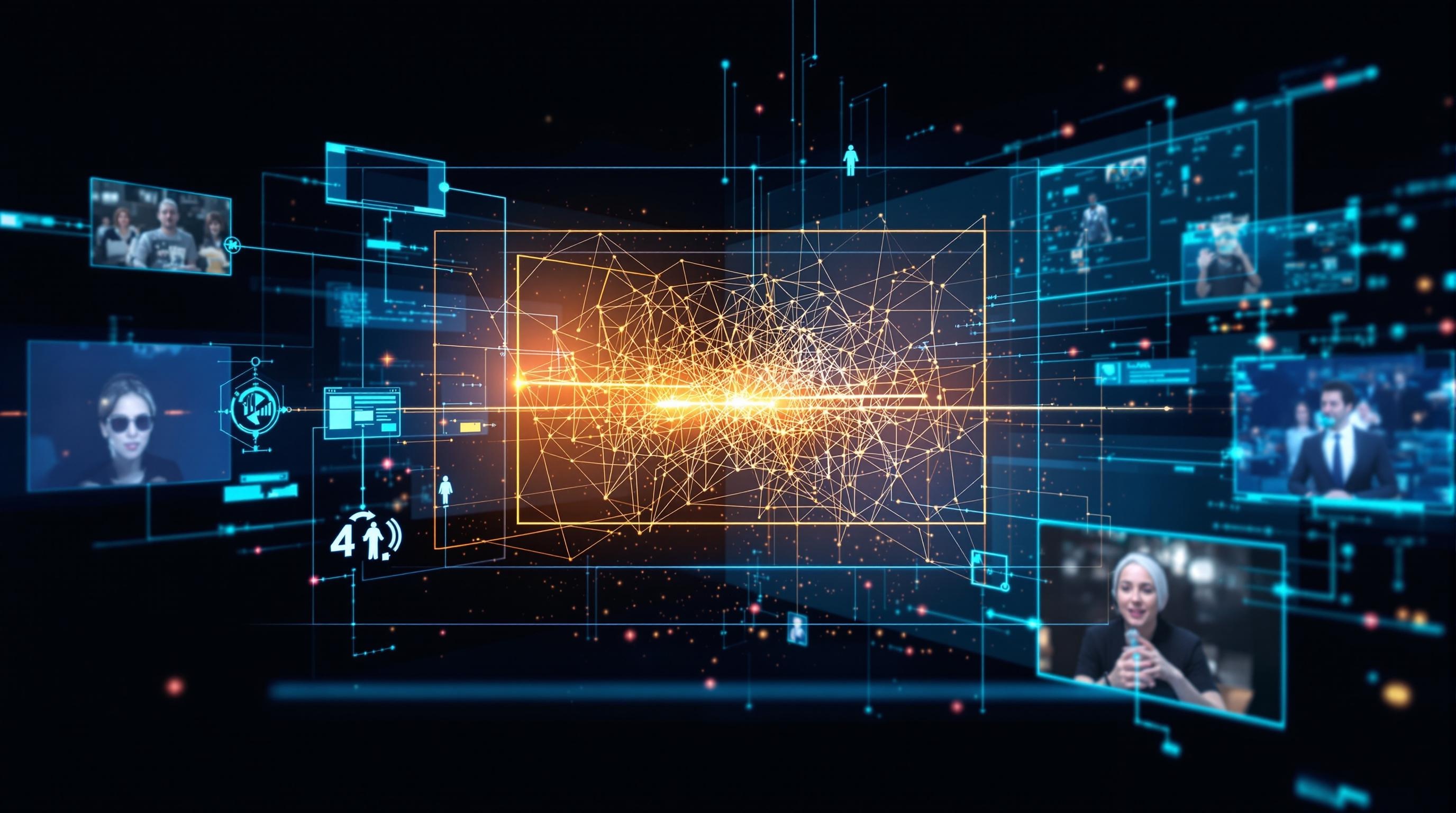
The technical architecture of AI watermark removers involves multiple sophisticated components working in tandem. Image recognition plays a crucial role in identifying watermark patterns within video frames. The AI analyzes each frame individually while maintaining awareness of the entire sequence to ensure consistent results through video inspection processes.
When artificial intelligence analyzes video frames, it performs several operations simultaneously. First, it identifies potential watermark regions based on consistent visual patterns across multiple frames through video extraction techniques. Then, it examines the opacity, color, and texture of these regions to distinguish watermark elements from the actual video content.
Video processing techniques employed in watermark detection include temporal analysis (examining changes across frames), spatial analysis (analyzing patterns within individual frames), and contextual understanding (determining which elements don’t naturally belong in the scene). These methods allow the AI to accurately identify watermarks even when they blend with the underlying content.
Modern watermark removal is powered by sophisticated deep learning models, particularly convolutional neural networks (CNNs) trained on vast datasets of watermarked and non-watermarked videos. These models have learned to recognize watermark characteristics and can effectively reconstruct the original content that exists beneath them, as noted by ScreenApp.
Key Components of Watermark Removal Software
Pattern recognition algorithms form the foundation of effective watermark removal. These algorithms identify repeating visual elements across video frames, distinguishing between natural scene components and artificial watermarks through video duplication analysis. The most advanced systems detect watermarks even when they’re partially transparent.
Video signal processing elements analyze the digital information within each frame, examining pixel values, color distributions, and texture patterns. This analysis helps the system understand how the watermark alters the underlying video signal and how to reverse these alterations during video cleaning procedures.
Image processing frameworks handle the actual removal and reconstruction process. Once a watermark is identified, these frameworks carefully erase unwanted elements and intelligently fill gaps with appropriate content, maintaining visual consistency with surrounding areas.
Automatic detection systems continuously scan video frames for watermark signatures, adjusting to variations in lighting, motion, and perspective. According to Watermark Remover, these systems can identify watermarks without human intervention, significantly reducing processing time and improving overall efficiency.
Legal Implications of Watermark Removal
Copyright Law and Digital Watermarks
Watermarks serve a vital purpose in copyright protection by visually establishing ownership and preventing unauthorized use of video content. They function as both a deterrent to potential infringers and as evidence of ownership in legal disputes concerning digital piracy.
Under current copyright laws, the removal of watermarks without permission is generally considered copyright infringement. The Digital Millennium Copyright Act (DMCA) specifically prohibits the circumvention of technological measures designed to protect copyrighted works, which includes the removal of digital watermarks.
Intellectual property considerations extend beyond simple copyright infringement. Removing watermarks can also constitute trademark violations if the watermark contains a company logo or brand identifier. Additionally, it may violate terms of service agreements that explicitly prohibit watermark removal.
Recent legal cases have reinforced the protected status of watermarks. The Video Watermarking Association notes that courts have consistently ruled against defendants who removed watermarks from creative works, imposing significant financial penalties and, in some cases, issuing injunctions against further watermark removal activities.
Legitimate vs. Illegitimate Use Cases
There are scenarios where AI video watermark remover use is legally permissible. Content creators may need to remove their own outdated watermarks from videos they own. Video editors working with properly licensed footage might need to remove watermarks for legitimate rebranding purposes. Educational institutions might have fair use rights to remove watermarks for specific teaching applications.
However, using video watermark removers carries significant copyright infringement risks. Removing a watermark to redistribute content without permission, to avoid paying licensing fees, or to pass off someone else’s work as your own can result in legal action, financial penalties, and damage to professional reputation.
Software developers face complex legal compliance requirements when creating watermark removal tools. While the technology itself may be legal, developers must ensure their marketing doesn’t encourage illegal use, provide clear terms of service prohibiting copyright infringement, and possibly implement safeguards against obvious misuse.
Ethical considerations for content creators extend to both sides of the watermark equation. Those applying watermarks should ensure they don’t unreasonably diminish the viewing experience, while those seeking to remove watermarks should respect creators’ rights to protect and monetize their work, as highlighted by LinkedRadar.
AI Video Watermark Removers in the Market
Popular Software Applications
The market offers several leading AI-powered watermark removal tools with varying capabilities. ScreenApp provides cloud-based AI removal supporting up to 4K resolution, featuring automatic watermark detection and seamless reconstruction. Vmake AI Video Watermark Remover specializes in removing logos and watermarks from multiple video formats. HitPaw Online Watermark Remover uses AI to target various watermarks, including those on social media videos.
These AI video watermark remover tools differ in their feature sets and capabilities. Some excel at removing static logos, while others better handle animated or semi-transparent watermarks. Advanced video scrubbing technology solutions offer batch processing, supporting multiple videos simultaneously, while others provide additional video enhancement features.
Pricing models vary widely across the market. Many tools offer freemium approaches with limited functionality in free versions and expanded capabilities for subscribers. Enterprise solutions typically provide volume licensing with additional security features and technical support. Accessibility ranges from simple web-based interfaces to professional desktop applications requiring more technical expertise.
User reviews and performance metrics highlight several key factors that differentiate top performers, including processing speed, quality of the final output, ease of use, and customer support. The most highly rated AI video watermark remover tools achieve watermark removal with minimal quality loss while maintaining a user-friendly interface.
Open Source vs. Commercial Solutions
The watermark removal landscape includes both freely available video scrubbing technology and paid commercial options. Open-source solutions typically provide basic functionality through libraries like OpenCV or Python scripts that require programming knowledge. These tools offer flexibility and customization options but may demand more technical expertise.
Enterprise-grade video restoration software options deliver more comprehensive features and smoother user experiences. These commercial solutions leverage proprietary AI models trained on vast datasets to achieve superior results. They typically offer robust customer support, regular updates, and more reliable performance for professional applications.
Integration capabilities with existing video editing software vary significantly between solutions. Premium options often provide plugins for popular editing suites like Adobe Premiere Pro or Final Cut Pro, allowing seamless incorporation into established workflows. Others function as standalone applications, requiring additional steps to import and export videos.
Security features and privacy protections are increasingly important considerations in AI video watermark remover tools. Cloud-based services must address concerns about uploading potentially sensitive content to external servers. The best solutions implement encryption, secure data handling practices, and clear privacy policies to protect user content during the watermark removal process.
Content Protection Strategies for Creators

Advanced Watermarking Techniques
Modern approaches to video content protection have evolved to counter increasingly sophisticated removal tools. Content creators now employ adaptive watermarks that change position, appearance, or transparency throughout the video, making them significantly harder for AI video watermark remover technology to detect and remove consistently.
Invisible watermarking technologies embed ownership information directly into the video data without creating visible marks. These techniques modify pixel values in ways imperceptible to viewers but detectable by specialized video scanning software. Even if visible elements are removed, these hidden markers remain to establish ownership.
Multi-layer protection systems combine various watermarking approaches to create redundant safeguards against video scrubbing. A video might contain both visible and invisible watermarks, along with metadata tags and digital signatures. If one layer is compromised, others remain intact to provide continued protection.
Video authentication methods go beyond simple watermarking to verify content integrity. These systems create unique digital fingerprints based on the video’s content, allowing owners to detect unauthorized modifications, including watermark removal. Some platforms automatically scan uploaded content against these fingerprints to identify infringing material.
Practical Considerations for Users
Evaluating Watermark Removal Solutions
When selecting an AI video watermark remover, users should consider several key factors. Processing accuracy—how completely and cleanly the tool removes watermarks—stands as perhaps the most important consideration. The best solutions remove watermarks without leaving visible artifacts or distorting the underlying content.
Quality assessment of output video should examine resolution maintenance, color accuracy, and natural transitions in areas where watermarks were removed. Premium solutions preserve the original video quality while seamlessly reconstructing previously watermarked areas through advanced video restoration techniques.
Processing speed and hardware requirements vary significantly between solutions. Cloud-based video scrubber services offload processing to remote servers, requiring only an internet connection but potentially raising privacy concerns. Local applications may process videos more securely but demand more powerful hardware, particularly for high-resolution content.
Data security considerations become critical when using online AI video watermark remover services that require uploading videos to external servers. Users should review privacy policies, data retention practices, and security measures before entrusting sensitive content to these platforms to prevent digital piracy of their own content.
Alternative Approaches
Legal methods to obtain watermark-free content often provide the simplest solution to avoid needing an AI video watermark remover. Many content libraries offer licensing options that provide clean, watermark-free videos for commercial use. These legitimate sources eliminate legal risks while supporting content creators.
Licensing options for media content range from royalty-free models to rights-managed agreements. Subscription services like Shutterstock, Adobe Stock, and others provide access to extensive libraries of professional watermark-free videos for various uses and budgets.
Working with content creators directly often yields the best results for custom projects. Many videographers and production companies will negotiate reasonable licensing terms that provide exactly the content needed without watermarks or usage restrictions.
As AI video watermark remover technology continues to evolve, the balance between creative freedom and copyright protection remains delicate. By understanding both the capabilities and the legal boundaries of these tools, users can make informed decisions that respect intellectual property rights while leveraging the legitimate benefits of this powerful technology.
For those interested in exploring AI tools for various creative and business applications, Jasify’s marketplace offers a comprehensive selection of solutions developed with both innovation and ethical considerations in mind.
Trending AI Listings on Jasify
- Short-Form Viral Clips (AI-Powered & Fully Edited) – Perfect for content creators who need to transform their videos into engaging clips while respecting copyright restrictions.
- Custom 24/7 AI Worker – Ideal for automating video processing workflows, including legal watermark management and content protection strategies.
- High-Impact SEO Blog – Essential for content creators looking to establish authority on topics like AI video technology and copyright protection.
